
Living in holiday destinations like the North Coast 500 has changed how I behave when I visit somebody else’s home.
There is a particular kind of patience required when you are trying to get to work behind somebody enjoying the North Coast 500.
They are having an adventure. You have a first-period class.
Between you is a single-track road and a camper van whose driver appears to have met it that morning.
When I worked on the north coast, I regularly found myself wondering whether hiring one should involve a small practical assessment. Reverse into this space. Locate the edges of your vehicle. Demonstrate that you can use a passing place without requiring everyone else to reverse to Inverness.
I’m not sure I could park a caravan. This is precisely why I would hesitate before putting myself in charge of one on a single-track road.
What frustrated me was watching people apparently discover the dimensions of their enormous hired vehicle while the rest of us waited. I knew the scenery was lovely. I was pleased they were enjoying it. I also needed them to move.
Those roads took me to work for years. Living somewhere that other people experience as a holiday has changed how I behave when I go on one myself.
I’ve become much more conscious of whose day I might be interrupting.
The dreaded four spinny buttons
I have developed an unreasonable emotional response to key boxes.
You know the ones. Little box beside a door. Four spinny buttons. Somewhere inside is a key, provided you have correctly interpreted a message sent by someone you will never meet.
I stayed in a place in Glasgow where several were attached to the railings. I had to find mine among them. Something about that arrangement put me off. Here was a collection of homes accessed through codes and instructions, and I was standing outside trying to identify the correct box.
I think that was my last Airbnb.
By then, I had spent enough time living in places full of holiday accommodation to feel differently about booking it. I’d started looking at houses and wondering who could have lived in them. A family. Someone working locally. Someone who wanted to stay in the community where they had grown up.
Now the key box makes me think about those people before I think about the convenient check-in.
Since then, I’ve actively tried to book hotels or caravans. I’m more comfortable choosing somewhere intended to accommodate visitors, and I have discovered that I like having breakfast made for me.
This is a powerful incentive.
Sometimes, looking through accommodation listings, I wonder how much space and equipment I actually require. A bed, a toilet and a television cover quite a lot. I don’t always need temporary custody of somebody’s entire house. Particularly if the alternative includes arriving downstairs to find that someone has already dealt with the sausages.
I’m still a tourist. I still want a nice time. I’ve just become fussier about what I’m booking and what it might mean for the place I’m visiting.
Good for business. Less good for the verge.
There were plenty of things I liked about the summer on the north coast.
My students found work in hotels and cafés. Businesses did a roaring trade. Places filled up, and there was a buzz that could be lovely to be part of.
I was pleased those jobs existed. Rural teenagers need opportunities, and watching a café thrive is considerably nicer than watching another one close.
But popularity could overwhelm places that had very little room to accommodate it.
Near where I lived was a huge puffin colony. It appeared online as a great place to see the birds, which it was. Puffins are very good at making people want to look at them. They have the faces for it. The road beside the colony was a country road with a 60mph limit. Cars parked along it, the verges got torn up, and there were times when driving through felt unsafe. Highland Council had to repair the area and introduce measures to stop people parking.
Presumably everyone who stopped thought they were the only one, because who goes to the Highlands, right?
From the road, you could see what all those individual decisions added up to.
I worried about the birds too. There was something uncomfortable about watching a remote colony become a destination people could tick off. I don’t like the assumption that finding something beautiful entitles us to get as close as we please.
It made me more suspicious of the phrase “hidden gem”. Once enough people have been told exactly where it is, the hidden part is over. The road still has to cope.

October arrives. We stay.
On the north coast 500, the end of the season could feel abrupt.
October came and places shut until May.
That is a long time when you live there.
A café closing for the winter means losing somewhere to meet a friend or go when you need to get out of the house. These are small things until there aren’t many alternatives. Then they become a substantial part of what makes somewhere pleasant to live.
I knew businesses needed enough customers to justify opening. That didn’t make the winter feel any shorter.
It bothered me that so much of what was available depended on people who would leave. The summer could be busy and profitable, while the people who stayed had fewer places to go for months.
In Orkney, we see the liners begin to disappear as the seas change. The rhythm of the town shifts with them.
I think we have a good balance here, particularly in the main town of Kirkwall. Visitors bring trade, and the harbour activity matters to the local economy. Meanwhile, I have shops, libraries I use with my family, and a town I enjoy living in throughout the year.
Further out, things feel more seasonal. The ice-cream shop in Stenness is closed for the season now. I’m aware nobody owes me year-round ice cream, although I would be prepared to hear that argument.
But each closure is a little reminder of how differently a place can function once the visitors have gone. The things that make a day out enjoyable can also make an ordinary week better. Locals notice when they disappear.
The view from the shops
Orkney attracts a particular kind of admiration.
Lorraine Kelly bloody loves it. People see the scenery and imagine a peaceful life somewhere beautiful, away from whatever is exhausting them at home.

I can understand the appeal. I chose to live here.
But it feels peculiar to see your day-to-day surroundings become a fantasy of escape. I get deliveries here. I go to the shops. I have children to organise and dinner to think about. Occasionally, an extraordinary view receives less of my attention than a shopping list.
The landscape is beautiful while I do all of that. Living here hasn’t made it stop being beautiful. It has made it familiar enough to contain the boring bits of my life.
I think that is what gets lost when we idealise somewhere. We imagine arriving and becoming calmer, more thoughtful, perhaps the sort of person who gets up early to appreciate things. We rarely imagine ourselves arriving and needing a pack of toilet-roll.
There’s something faintly uncomfortable about having your ordinary existence romanticised. People look at where you live and see the life they would like to have, while you’re still working out how to get everything done in the life you actually have.
I’m sure I do this elsewhere. I’ve looked at places on holiday and imagined living there, based largely on the weather being nice and someone else having made my lunch (there’s a theme with my holidays).
Living in the Highlands and Orkney has given me more questions to ask before I settle into that fantasy. Who can afford to stay? What is open in winter? Where do the people serving my lunch live?
It has also changed smaller things. The accommodation I choose. Where I leave a car. Whether I’m paying enough attention to what is happening around me.
I still want to enjoy the view. I just try to remember that somebody else might be looking past it, wondering whether I’m ever going to move out of the road.

Cultural Analysis by Emma Sinclair
Emma Sinclair is a Scottish writer and book reviewer behind The Second Draft. She writes about books, culture and the things she can’t stop thinking about, from speculative fiction and internet history to the odd ideas hidden between the pages.
Latest Posts
- Somebody Else’s Escape
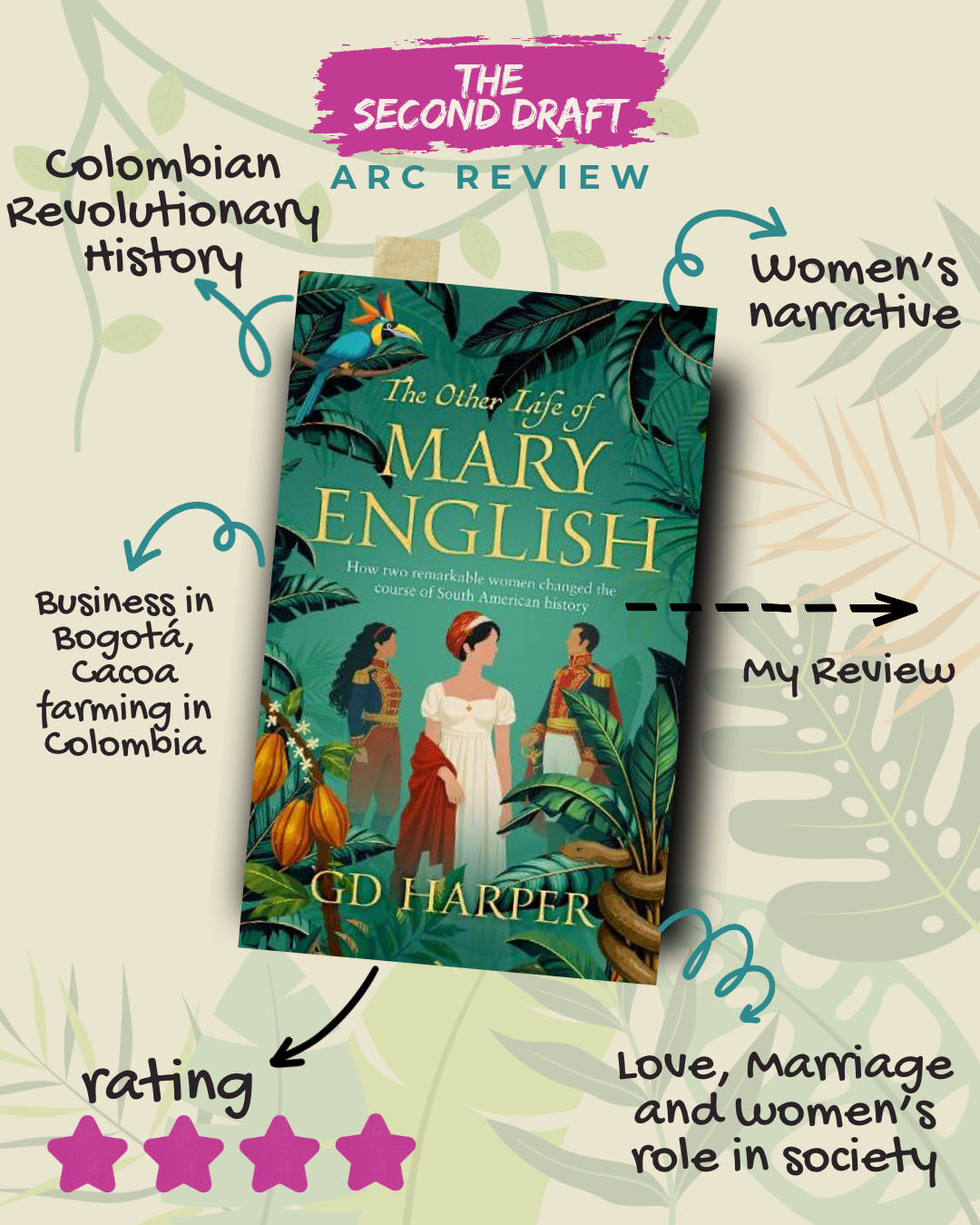
- The Other Life of Mary English- Revolution, Remarkable Women and a Taste for Guava
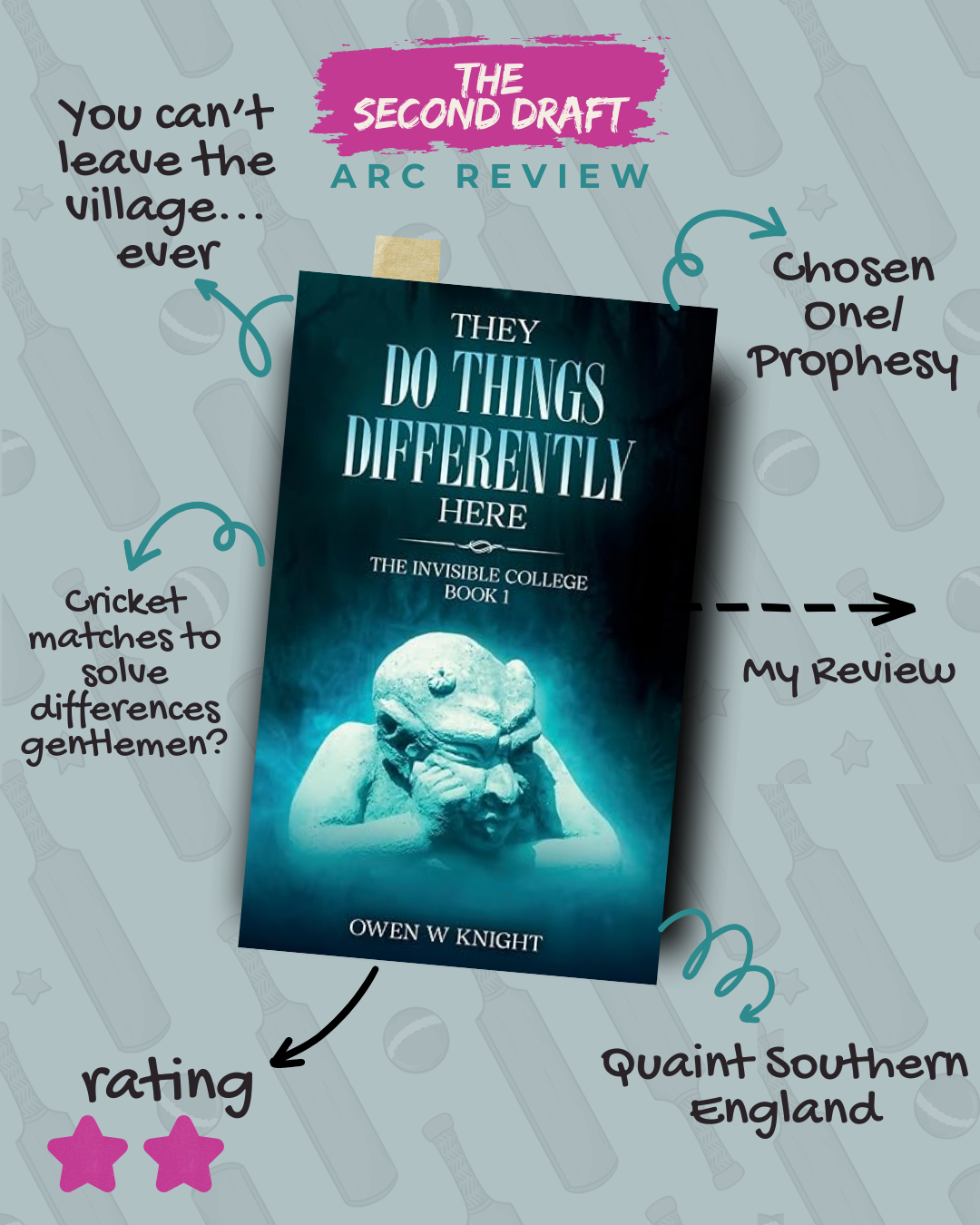
- They Do Things Differently Here Review: A Brilliantly Strange Village, a Frustrating Mystery

Follow me on Instagram!


Leave a Reply